
Menu
Budget Travel Tips for 2026: Plan a Trip Without Blowing Your Savings
September 1, 2026


Flights, accommodation, and food add up fast. That is the reality most travelers face when they start planning a getaway. The good news is that budget travel does not mean skipping the experiences you care about. It means making thoughtful choices at every step, from choosing a destination to handling money once you are abroad.
You might be planning a long backpacking trip or a short city break. The same principle applies either way: the more you plan, the more your savings stretch. This mix of common advice and lesser-known tricks comes from people who travel often and keep their spending under control. These habits are especially useful for any trip you are mapping out in 2026.
Start With a Plan Before You Book Anything
The first step to an affordable trip is a plan. Jumping straight into flight searches without a sense of your overall budget is how costs spiral. Travel experts suggest a simple four-step approach: know your traveler type, define your four pockets, apply your savings strategy, and then work out what your trip will actually cost. Saving up a set amount before you go is part of that strategy too.
Knowing your traveler type matters because your budget depends on how you like to travel. A hostel-hopping backpacker has very different costs than someone who prefers hotels and organized tours. Be honest about your style so your budget matches reality.
A free budget calculator can help you map out the numbers before you commit. One couple spent ten weeks in Europe on a total budget of $9,000, and their takeaway was that it worked because they planned the money side first. No misery, no missed experiences.
Choose a Budget Destination and Travel Out of Season
Where you go and when you go are two of the biggest cost drivers. Choosing a budget destination is one of the fastest ways to lower your total trip cost. Some places simply cost less for food, accommodation, and transport, so do your research before you set your heart on an expensive city.
Traveling out of season is another proven money saver. Flights and hotels drop in price when demand drops, and you will often deal with smaller crowds too. If your schedule is flexible, time your travel right by aiming for dates outside the peak holiday weeks.

Book Flights and Transportation Strategically
Flights are usually the biggest single expense. Book flights a month or more in advance to give yourself the widest range of prices. Last-minute bookings rarely work in your favor.
When comparing options, look beyond the ticket price. Compare flying and driving costs for shorter trips, since gas, parking, and other fees can sometimes make driving more expensive than a cheap flight. In other cases, driving wins. Run the numbers instead of assuming.
You can also skip the rental car if your destination has decent public transit. Rental fees, insurance, and parking add up quickly, so think about whether you actually need wheels for the whole trip.
Cut Costs on Accommodation
Accommodation is another major line item. Being accommodation-savvy means considering options beyond standard hotels. Hostels, guesthouses, apartment rentals, and staying with friends or family can all reduce your nightly costs.
Look for budget-friendly accommodation that still gives you what you need: a safe place to sleep, a way to store your bags, and easy access to the things you want to see. You do not have to rough it to save money, but you do have to compare a few options.
One useful trick is to ask for a discount. Sometimes simply asking whether there is a better rate for a longer stay or a quieter night can lower the price. The worst they can say is no.
Pack Properly and Keep It Light
Packing well is a budget travel skill. Packing properly means bringing what you actually need so you are not buying replacements on the road. It also means leaving room for anything you pick up during the trip.
A favorite expert tip is the rule of three for shoes. Keep your total shoe count to three pairs. Shoes are heavy and take up space, so limiting them makes a real difference to how much you carry.
Packing hacks can streamline your next getaway, from saving space to keeping things organized. The deeper principle is simple: everything you carry has a cost. Weighed bags, baggage fees, and forgotten items all eat into your savings. Travel light and your wallet stays heavier.
Manage Money Abroad Without Paying Extra
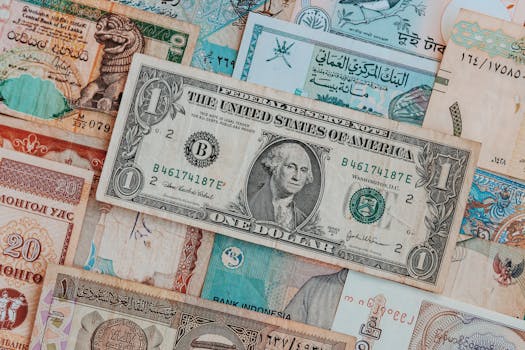
Once you are on the road, the way you handle money matters as much as how you booked the trip. You can save money on currency exchanges by comparing rates and planning where you will exchange cash before you land.
Foreign transaction fees are another silent budget killer. Avoid them by choosing a card that does not add these charges, and check your account details before you travel.
Getting a local SIM card can also save you money compared with pricey roaming plans. With a local card, you get affordable data for maps, translation, and bookings. Before you buy, locate the free WiFi hotspots near you so you know where you can connect at no cost.
Be Street-Smart When You Spend
Budget travel is not only about the big bookings. Small daily habits can protect your budget. Experienced travelers suggest you always ask how much something costs before you agree to it. Never assume a price, especially in markets or with taxis.
Ask to have bills itemized so you can see exactly what you are paying for. Do your own arithmetic and do not let the cashier rush you. It is also smart to assume you will be short-changed occasionally and to count your change before walking away.
None of this means being unfriendly. The best approach is to smile but be savvy. Being pleasant while staying alert keeps your trip enjoyable and your budget intact at the same time.
Build a Budget Plan You Can Actually Keep
All these tips come together when you write out a plan. Start by defining your four pockets of spending, then apply your savings strategy to each one. A free budget calculator can help you see whether the numbers work before you book anything.
Remember the example from earlier: ten weeks in Europe for two people on $9,000. That worked because the couple made trade-offs without cutting out the experiences that mattered. You can apply the same logic to a shorter trip. Decide what you care about most, spend generously there, and cut costs everywhere else.
A good travel budget leans on plenty of money strategies that hold up in the real world. The goal is not to make your trip feel cheap. It is to make your money go further so you can keep traveling.
Frequently Asked Questions
How much should I budget for a trip?
The right amount depends on your traveler type, destination, trip length, and travel dates. A good starting point is planning in four steps: know your traveler type, define your spending pockets, apply your savings strategy, and calculate the total. A free budget calculator can help. As a reference, one couple traveled through Europe for ten weeks on $9,000 total, so a clear plan matters more than a magic number.
When is the best time to book flights?
Booking flights a month or more in advance generally gives you better options and lower prices. You should also time your travel right by choosing dates outside peak season. Traveling out of season can cut costs on both flights and accommodation while making popular destinations less crowded. If you can be flexible with your dates, you will have many more affordable choices.
What is the best way to avoid extra banking fees abroad?
Save money on currency exchanges by comparing rates and planning where you will exchange cash. Avoid foreign transaction fees by using a card that does not charge them. Before you arrive, think through how you will get local currency. Ask how much things cost, and keep an eye on your receipts so small charges do not slip past you.
What are the best packing tips for budget travel?
Pack properly so you do not need to buy things you forgot. For shoes, follow the rule of three and keep your total to three pairs. Packing hacks can streamline your next getaway, saving space and reducing stress. The lighter you travel, the less you will spend on extra baggage and last-minute purchases.
How can I save money on the road without feeling deprived?
Focus your spending on the experiences that matter most to you and trim everywhere else. Ask for a discount when you book a stay. Ask to have bills itemized, always ask how much something costs, and do your own arithmetic before paying. Smile but be savvy, and you will protect your budget without missing out.